How to Identify Pure & High-Quality Dry Fruits Before Buying
How to Identify Pure & High-Quality Dry Fruits Before Buying
Dry fruits are a delicious and nutritious addition to everyday meals. Whether you enjoy almonds in the morning, cashews as an evening snack or walnuts with breakfast, choosing good-quality dry fruits makes a difference in taste, freshness and overall experience.
However, with so many varieties and brands available in the market, it can sometimes be difficult to identify which dry fruits are fresh, properly stored and worth purchasing.
The good news is that you don't need to be an expert to make the right choice. A few simple checks can help you identify better-quality dry fruits.
In this guide, we will share practical tips to help you choose fresh and high-quality dry fruits before buying.
1. Check the Appearance and Colour
The first thing to notice when buying dry fruits is their appearance.
Good-quality dry fruits generally have a natural and consistent appearance. Avoid products that show unusual discoloration, excessive dark spots or visible signs of deterioration.
Here are some things to check:
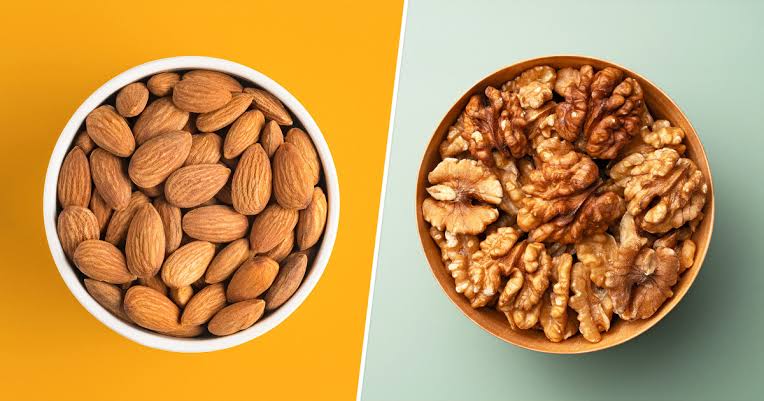
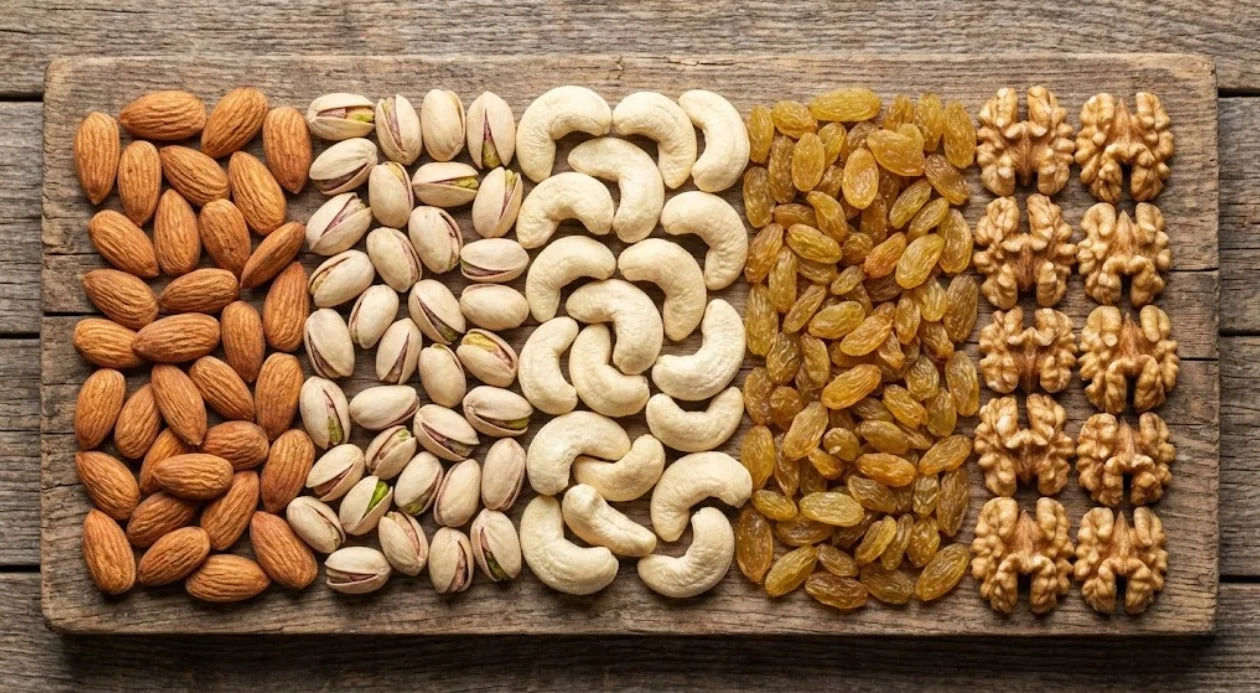
- Almonds should have a natural brown skin and a firm appearance.
- Cashews should have a reasonably uniform cream or ivory colour.
- Walnuts should have a natural light-brown to golden appearance, depending on the variety.
- Raisins should have a natural colour depending on whether they are green, golden or black.
- Pistachios should have naturally green kernels with characteristic purple-brown skin.
Remember that natural colour variations are normal. Perfectly identical colour is not always a sign of better quality.
2. Check the Smell Before Buying
Fresh dry fruits usually have a mild, natural nutty or fruity aroma.
A strong sour, musty, stale or paint-like smell can indicate poor storage, spoilage or rancidity, especially in nuts containing natural oils.
Always avoid dry fruits that have an unpleasant or unusual smell.
3. Look for Texture and Freshness
Texture is another important indicator of dry fruit quality.
Different varieties have different natural textures:
- Almonds should feel firm and crunchy.
- Cashews should have a firm, crisp bite.
- Walnuts should not taste unusually bitter or rancid.
- Raisins should be naturally soft or slightly chewy.
- Pistachios should have a crunchy texture.
Avoid products that feel unusually damp, sticky, excessively soft or stale.
4. Choose Properly Packed Dry Fruits
Packaging plays an important role in protecting dry fruits from moisture, air, dust and external contamination.
When purchasing packaged dry fruits, check the following:
- Packaging should be properly sealed.
- There should be no visible damage or leakage.
- The pack should mention the product name and net quantity.
- Check the manufacturing or packing date.
- Always check the best-before or expiry information.
- Look for appropriate storage instructions.
Good packaging helps preserve freshness and maintain product quality.
5. Check for Unusual Moisture or Insects
Dry fruits should be stored in conditions that protect them from excessive moisture and pests.
Before purchasing, look for:
- Visible insects or insect fragments.
- Webbing or unusual particles.
- Signs of mould.
- Unusual dampness or condensation inside packaging.
- Clumping or sticking that is not normal for the product.
Never purchase or consume dry fruits showing signs of mould or insect infestation.
6. Understand the Quality of Different Dry Fruits
Every dry fruit has its own characteristics. Knowing what to look for can make shopping easier.
Almonds (Badam)
Choose almonds that are firm, evenly shaped and free from visible mould or damage. They should have a pleasant natural nutty aroma.
Cashews (Kaju)
Good-quality cashews generally have a firm texture and a pleasant mild flavour. Avoid broken, excessively discoloured or stale-smelling pieces.
Walnuts (Akhrot)
Fresh walnuts should have a pleasant nutty aroma. Avoid walnuts with a strong bitter, paint-like or rancid smell.
Pistachios (Pista)
Look for naturally green kernels with a crunchy texture. Avoid kernels showing mould, unusual discolouration or an unpleasant smell.
Raisins (Kishmish)
Good raisins should have their characteristic natural colour and a soft, chewy texture. Avoid raisins with visible mould or unusual fermentation-like smells.
Dates (Khajoor)
Choose dates with a pleasant aroma and a naturally soft or slightly firm texture depending on the variety. Avoid dates with visible mould or signs of spoilage.
7. Don't Judge Quality Only by Price
Expensive dry fruits are not automatically better, and cheaper products are not always poor quality.
Prices can vary depending on:
- Origin and variety.
- Size and grade.
- Harvest quality.
- Processing and sorting.
- Packaging.
- Transportation and storage.
Compare product descriptions, quality, freshness, net weight and packaging before making a purchase.
8. Check Ingredients and Added Ingredients
When buying packaged dry fruits, always read the ingredient list.
Ideally, plain nuts should contain only the nut itself.
For flavoured or roasted varieties, check whether salt, sugar, oil or other ingredients have been added.
For dried fruits, check whether additional sugar, preservatives or other ingredients are present.
If you prefer a simpler option, look for plain, unsalted and unsweetened varieties.
9. Buy from a Trusted Seller
Choosing the right seller is just as important as choosing the right dry fruit.
A reliable seller should provide:
- Clear product descriptions.
- Proper packaging.
- Transparent quantity information.
- Accurate ingredient details.
- Storage instructions.
- Customer support.
- Clear return or replacement policies.
Buying from a trusted source makes it easier to understand what you are purchasing.
10. Common Mistakes to Avoid When Buying Dry Fruits
Avoid these common shopping mistakes:
- Choosing products based only on low prices.
- Ignoring manufacturing and best-before dates.
- Buying damaged or unsealed packages.
- Ignoring unusual smells or visible mould.
- Assuming that bigger-sized nuts are always better.
- Not checking ingredients and added sugar.
- Purchasing more than you can store properly.
A little attention before purchasing can help you make a better buying decision.
Conclusion
Choosing pure and high-quality dry fruits doesn't have to be complicated. By checking their appearance, smell, texture, packaging, ingredients and freshness, you can make more informed purchasing decisions.
Whether you are buying almonds, cashews, walnuts, pistachios, raisins or dates, always prioritise freshness, proper packaging and a trusted seller over appearance or price alone.
At ChaskaMart, we believe that good food choices begin with good-quality products. Explore our range of dry fruits and discover delicious options for your everyday snacking needs.
ChaskaMart – Bringing Quality and Taste to Your Everyday Life!