Healthy Recipes
November 23, 2026
By ChaskaMart Nutrition Team
Soaked Dry Fruits vs Raw Dry Fruits: Which Is Better for Your Health?
Should you eat dry fruits soaked or raw? Discover the benefits, nutritional differences and best ways to consume almonds, walnuts, raisins, figs and other dry fruits.
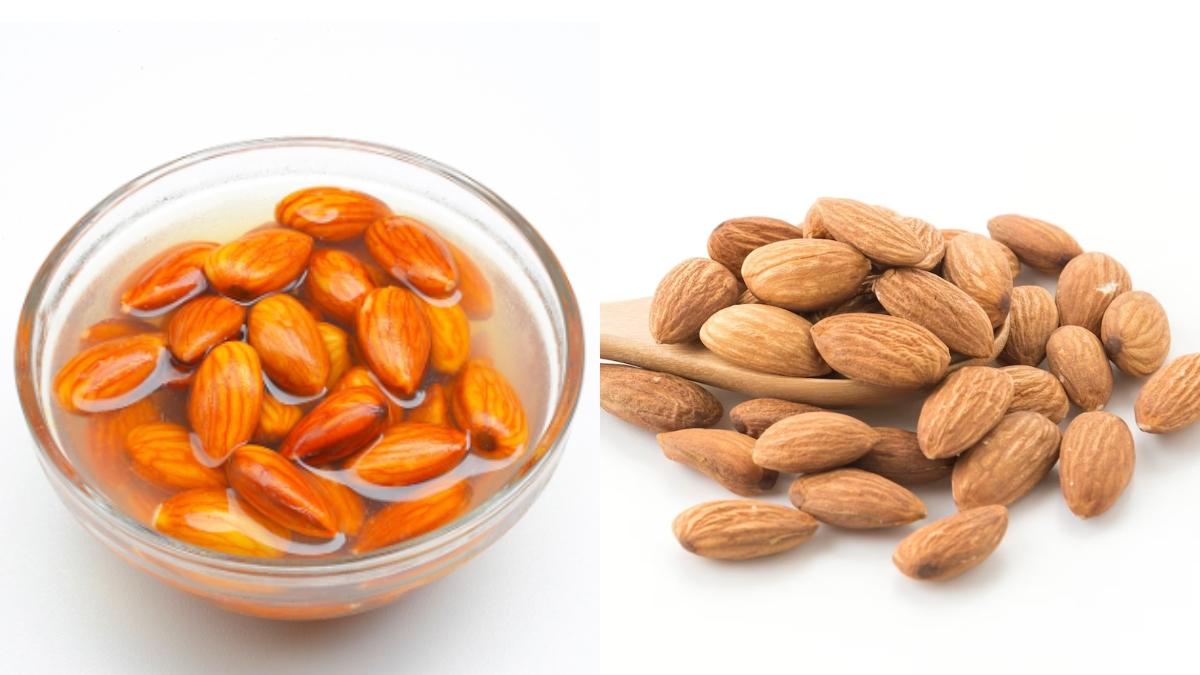
# Soaked Dry Fruits vs Raw Dry Fruits: Which Is Better for Your Health?
Dry fruits are a popular part of a healthy diet. From almonds and walnuts to raisins, figs and dates, these nutrient-rich foods are enjoyed by people of all age groups. They are easy to include in everyday meals and make a convenient snack between meals.
However, one question often creates confusion: **Should you eat dry fruits soaked or raw?**
In many Indian households, soaking almonds and raisins overnight is a common practice. Some people believe that soaked dry fruits are healthier, while others prefer eating them raw to enjoy their natural crunch and taste.
The truth is that both soaked and raw dry fruits offer nutritional benefits. The difference mainly lies in their texture, preparation and convenience.
In this blog, we will explore the benefits of soaked and raw dry fruits, understand which varieties are better when soaked and learn how to include them in your daily diet.
## 1. What Are Soaked Dry Fruits?
Soaked dry fruits are nuts and dried fruits that are kept in clean water for a few hours or overnight before consumption.
During soaking, they absorb water and become softer, making them easier to chew. This method is commonly used for almonds, raisins and dried figs.
Some commonly soaked dry fruits include:
- **Almonds (Badam):** Soaked overnight to make them softer and easier to chew.
- **Raisins (Kishmish):** Become softer and juicier after absorbing water.
- **Figs (Anjeer):** Develop a softer texture and become easier to eat.
- **Walnuts (Akhrot):** Can be soaked if you prefer a softer texture.
- **Dates (Khajoor):** Can be soaked, although they are naturally soft and usually do not require it.
Soaking is mainly a way to change the texture of dry fruits. It does not automatically increase their nutritional value.
## 2. Benefits of Eating Soaked Dry Fruits
Soaked dry fruits can be a good option for people who prefer softer foods. Here are some of their benefits.
### Easier to Chew
Soaking makes hard dry fruits softer. Almonds, walnuts and dried figs become easier to chew, which can be helpful for people who do not enjoy crunchy foods.
### Soft and Juicy Texture
Dried fruits such as raisins and figs absorb water during soaking. This gives them a softer texture and makes them suitable for breakfast bowls and smoothies.
### Easy to Include in Breakfast
Soaked almonds and raisins are commonly enjoyed in the morning. You can add them to oatmeal, porridge, smoothies or eat them separately.
### Adds Variety to Your Diet
Soaking gives you another way to enjoy dry fruits. If you prefer softer textures, it can make certain varieties more enjoyable.
## 3. Benefits of Eating Raw Dry Fruits
Raw dry fruits are equally nutritious and offer several advantages. They are convenient, easy to carry and require no preparation.
### Ready to Eat
Raw dry fruits are perfect for busy routines. You can carry almonds, walnuts, cashews or raisins in a small container and enjoy them whenever you feel hungry.
### Rich in Essential Nutrients
Different dry fruits provide different nutrients:
- Almonds contain vitamin E, fibre and healthy fats.
- Walnuts provide plant-based omega-3 fatty acids.
- Cashews contain magnesium, copper and healthy fats.
- Raisins provide natural sugars and dietary fibre.
- Figs provide fibre, calcium and potassium.
### Convenient for Healthy Snacking
A small portion of nuts can be a satisfying snack between meals. They are a convenient alternative to many highly processed snacks.
### Perfect for Different Recipes
Raw dry fruits can be added to several dishes, including:
- Breakfast cereals and oatmeal
- Smoothies and milkshakes
- Homemade energy balls
- Salads and desserts
- Traditional Indian sweets
- Homemade trail mixes
## 4. Soaked vs Raw Dry Fruits: What Is the Difference?
Both soaked and raw dry fruits can be included in a balanced diet. However, they differ in texture, preparation and convenience.
| Feature | Soaked Dry Fruits | Raw Dry Fruits |
|---|---|---|
| Texture | Soft and moist | Firm and crunchy |
| Preparation | Requires soaking | Ready to eat |
| Convenience | Needs advance preparation | Easy to carry |
| Storage | Requires refrigeration after soaking | Can be stored for longer when kept properly |
| Usage | Breakfast and smoothies | Snacks and recipes |
**Which one should you choose?**
If you prefer softer dry fruits, soaking is a good option. If you enjoy crunchy snacks and want something convenient, raw dry fruits are equally suitable.
## 5. Which Dry Fruits Should You Eat Soaked?
Different dry fruits have different textures and nutritional properties. Therefore, the way you consume them can vary.
### Almonds (Badam)
Almonds are among the most commonly soaked nuts in Indian households. Soaking softens their texture and makes them easier to chew.
You can enjoy almonds both soaked and raw. They are a source of vitamin E, fibre, protein and healthy fats.
**How to eat:** Soak almonds in clean drinking water for around 8–12 hours if you prefer a softer texture. Removing the skin is optional.
### Raisins (Kishmish)
Raisins are naturally sweet dried grapes. When soaked, they absorb water and become softer and juicier.
They can be enjoyed directly or added to breakfast dishes.
**How to eat:** Soak raisins in clean water for a few hours or overnight. Refrigerate them if soaking for an extended period.
### Walnuts (Akhrot)
Walnuts are known for their healthy fats, particularly plant-based omega-3 fatty acids. Their crunchy texture makes them suitable for direct consumption.
Soaking walnuts is optional and mainly changes their texture.
**How to eat:** Enjoy a small portion of raw walnuts or soak them if you prefer them softer.
### Dried Figs (Anjeer)
Dried figs are a source of dietary fibre and minerals such as calcium and potassium.
Because dried figs can be chewy, soaking them makes their texture softer.
**How to eat:** Soak dried figs in clean water for a few hours before eating if you prefer a softer texture.
### Dates (Khajoor)
Dates are naturally sweet and soft, making them easy to consume without soaking. They provide natural sugars, fibre and minerals.
**How to eat:** Enjoy dates directly as a snack or add them to smoothies, desserts and homemade energy bars.
## 6. What Is the Best Time to Eat Dry Fruits?
There is no fixed time when dry fruits must be consumed. You can enjoy them at different times of the day according to your routine.
### In the Morning
Add soaked almonds, raisins or walnuts to your breakfast. They go well with oatmeal, milk, porridge and fruit bowls.
### As a Mid-Morning Snack
A small portion of mixed nuts can be a convenient snack between breakfast and lunch.
### In the Evening
Instead of reaching for highly processed snacks, enjoy a handful of almonds, walnuts or cashews.
### Before Physical Activity
Dates and raisins contain carbohydrates that provide energy. They can be included as a small snack before physical activity.
## 7. How Much Dry Fruits Should You Eat Daily?
Dry fruits are nutritious, but nuts and dried fruits can also be calorie-dense. Eating large quantities regularly may add more calories and natural sugars than you intend.
A practical approach is to consume a small handful of mixed nuts and a modest serving of dried fruits as part of your daily diet.
Here are some simple tips:
- Avoid eating large quantities in one sitting.
- Choose unsalted and unflavoured nuts for everyday consumption.
- Prefer dried fruits without added sugar.
- Include different varieties instead of relying on only one type.
- Adjust portions according to your dietary needs and activity level.
## 8. Important Tips for Soaking and Storing Dry Fruits
Proper handling and storage are important for maintaining the freshness and quality of dry fruits.
1. **Use clean water:** Always use safe drinking water for soaking.
2. **Wash dried fruits:** Rinse dried fruits before soaking to remove surface dust or dirt.
3. **Use a clean container:** Soak them in a clean glass or food-safe container.
4. **Refrigerate when necessary:** Keep soaked dry fruits refrigerated, especially when soaking overnight.
5. **Consume promptly:** Do not store soaked dry fruits for long periods. Discard them if they develop an unusual smell, taste or appearance.
6. **Store raw dry fruits properly:** Keep them in airtight containers in a cool, dry place, away from direct sunlight and moisture.
7. **Check freshness:** Avoid consuming dry fruits that show signs of spoilage or mould.
These simple practices can help you enjoy dry fruits safely while maintaining their quality.
## 9. Soaked or Raw Dry Fruits: Which Is Better Overall?
The answer depends on your personal preference and the type of dry fruit you are consuming.
**Choose soaked dry fruits if:**
- You prefer a softer texture.
- You find certain nuts difficult to chew.
- You enjoy adding softened dried fruits to breakfast.
- You prefer soaked almonds or raisins as part of your morning routine.
**Choose raw dry fruits if:**
- You want a convenient snack.
- You enjoy crunchy textures.
- You need something easy to carry while travelling or working.
- You want to add nuts directly to recipes.
Remember, soaking is not compulsory. Raw and soaked dry fruits can both contribute to a healthy eating pattern.
## Conclusion
Soaked and raw dry fruits both have a place in a balanced diet. Soaking can soften the texture of almonds, raisins, walnuts and figs, making them easier to chew and use in different recipes. On the other hand, raw dry fruits are convenient, crunchy and ready to eat.
You do not need to follow a complicated routine to enjoy the nutritional benefits of dry fruits. Focus on choosing good-quality products, eating moderate portions and including a variety of nuts and dried fruits in your daily meals.
At ChaskaMart, we believe that healthy eating starts with simple everyday choices. Choose your favourite dry fruits and enjoy them in the way that suits your taste and lifestyle.
Frequently Asked Questions
Not necessarily. Both soaked and raw dry fruits provide nutrients. Soaking mainly changes their texture and water content.
Yes. Almonds can be eaten raw or soaked. Soaking is optional and mainly preferred by people who like a softer texture.
Almonds are commonly soaked for around 8–12 hours in clean drinking water.
Yes. Raisins can be eaten directly. Soaking simply makes them softer and juicier.
No. Soaking is optional for most dry fruits. Dates, almonds, cashews and walnuts can generally be enjoyed without soaking.