Top 10 Dry Fruits and Their Amazing Health Benefits
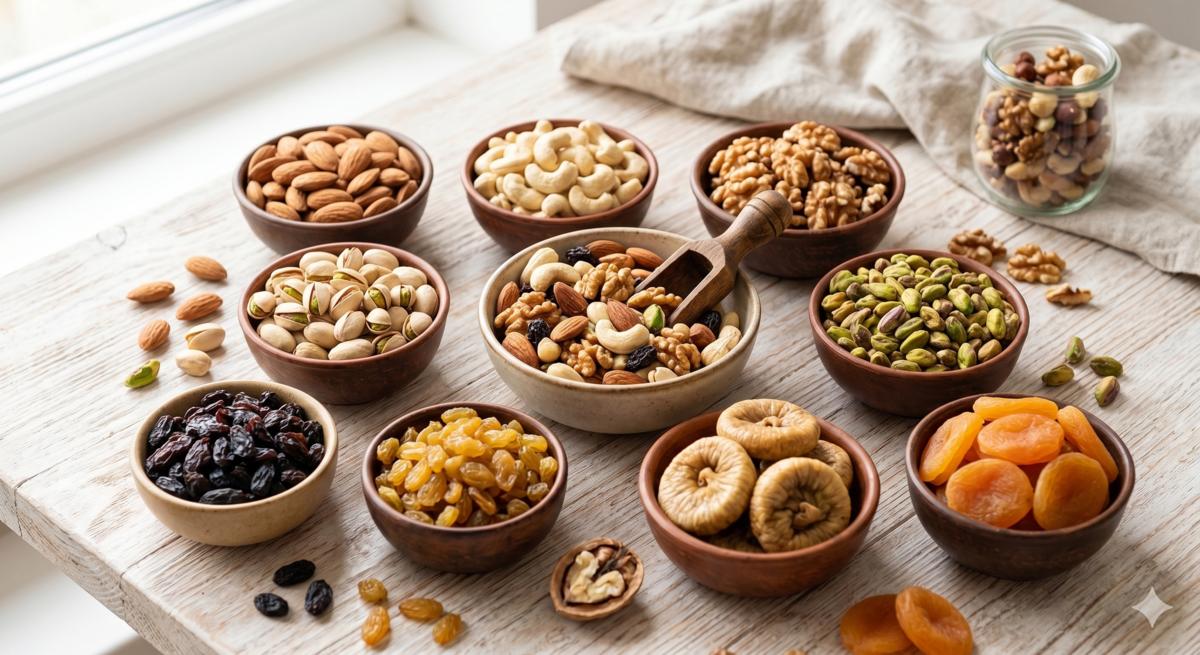
Top 10 Dry Fruits and Their Amazing Health Benefits
Dry fruits are among nature's most nutritious and delicious foods. Packed with essential vitamins, minerals, healthy fats, fibre and antioxidants, they make an excellent addition to a balanced daily diet.
Whether you want a healthy snack, a nutritious breakfast topping or an energy boost during your busy day, dry fruits offer plenty of options. From almonds and cashews to walnuts, dates and raisins, every dry fruit has its own nutritional benefits.
In this article, let's explore the top 10 dry fruits, their health benefits and simple ways to include them in your everyday diet.
1. Almonds (Badam)
Almonds are one of the most popular dry fruits, known for their nutritional value. They contain vitamin E, magnesium, fibre, protein and healthy fats.
Health Benefits of Almonds:
- Support overall heart health as part of a balanced diet.
- Provide vitamin E, which helps protect cells from oxidative stress.
- Contain fibre and protein that help you feel full.
- Provide magnesium, which supports normal muscle and nerve function.
- Make a nutritious snack for everyday consumption.
How to Eat: Enjoy a small handful of almonds as a snack or add soaked almonds to your breakfast.
2. Cashews (Kaju)
Cashews are creamy, delicious and packed with essential nutrients. They are a good source of healthy unsaturated fats, copper, magnesium and zinc.
Health Benefits of Cashews:
- Support normal energy metabolism.
- Provide copper, which helps maintain healthy connective tissues.
- Contain magnesium for muscle and nerve function.
- Supply plant-based protein.
- Add nutritional value and taste to everyday meals.
How to Eat: Enjoy roasted or plain cashews, or add them to smoothies, desserts and Indian dishes.
3. Walnuts (Akhrot)
Walnuts are particularly popular because they contain plant-based omega-3 fatty acids, especially ALA (alpha-linolenic acid).
Health Benefits of Walnuts:
- Provide plant-based omega-3 fatty acids.
- Support heart health when included in a balanced diet.
- Contain antioxidants and polyphenols.
- Provide fibre and healthy fats.
- Make a nutritious addition to breakfast and snacks.
How to Eat: Add chopped walnuts to oatmeal, salads, smoothies or enjoy them as a snack.
4. Raisins (Kishmish)
Raisins are naturally sweet dried grapes that provide fibre, potassium and natural sugars.
Health Benefits of Raisins:
- Provide quick energy through natural carbohydrates.
- Contain fibre that supports digestive health.
- Supply potassium, an important mineral for normal body functions.
- Provide plant compounds with antioxidant properties.
- Offer a naturally sweet alternative to some sugary snacks.
How to Eat: Add raisins to breakfast cereals, kheer, desserts or enjoy a small portion as a snack.
5. Dates (Khajoor)
Dates are naturally sweet fruits rich in carbohydrates, fibre and minerals such as potassium and magnesium.
Health Benefits of Dates:
- Provide natural energy.
- Contain fibre that supports digestion.
- Supply potassium and magnesium.
- Contain beneficial plant compounds.
- Can be used as a natural sweetener in homemade recipes.
How to Eat: Enjoy dates on their own, combine them with nuts or add them to smoothies.
6. Pistachios (Pista)
Pistachios are tasty green nuts containing protein, fibre, healthy fats and several important vitamins and minerals.
Health Benefits of Pistachios:
- Provide plant-based protein.
- Contain fibre that supports digestive health.
- Supply vitamin B6, copper and potassium.
- Contain antioxidants such as lutein and zeaxanthin.
- Make a satisfying and nutritious snack.
How to Eat: Enjoy unsalted pistachios or add them to salads, desserts and breakfast bowls.
7. Dried Figs (Anjeer)
Dried figs are naturally sweet and are known for their fibre and mineral content.
Health Benefits of Dried Figs:
- Provide dietary fibre for digestive health.
- Contain calcium and potassium.
- Supply natural carbohydrates for energy.
- Provide antioxidants and beneficial plant compounds.
- Make a delicious addition to a balanced diet.
How to Eat: Enjoy dried figs as a snack or soak them before adding them to breakfast recipes.
8. Apricots (Khubani)
Dried apricots are a good source of beta-carotene, which the body can convert into vitamin A. They also provide fibre and potassium.
Health Benefits of Apricots:
- Provide nutrients that support normal vision.
- Contain antioxidants.
- Supply dietary fibre.
- Provide potassium for normal muscle function.
- Offer natural sweetness in a convenient snack.
How to Eat: Eat them directly or add chopped apricots to cereal, yoghurt and desserts.
9. Fox Nuts (Makhana)
Makhana, also known as fox nuts or lotus seeds, is a popular Indian snack. It is naturally low in fat and can be prepared in different healthy ways.
Health Benefits of Makhana:
- Provides carbohydrates and some plant-based protein.
- Contains minerals such as magnesium and phosphorus.
- Can be a light snack when roasted with minimal oil.
- Offers a crunchy alternative to fried snacks.
- Fits easily into different snack recipes.
How to Eat: Roast makhana with a little ghee and your favourite spices for a delicious snack.
10. Dried Cranberries
Dried cranberries are known for their distinctive sweet and tangy flavour. They contain plant compounds called polyphenols.
Health Benefits of Dried Cranberries:
- Provide antioxidant plant compounds.
- Add variety to a nutritious diet.
- Make a convenient snack ingredient.
- Add flavour to salads and breakfast bowls.
How to Eat: Add dried cranberries to oats, trail mixes, salads and homemade energy bars. Choose varieties with less added sugar when possible.
How Many Dry Fruits Should You Eat Daily?
Dry fruits are nutritious, but portion size matters because nuts and dried fruits can be calorie-dense.
A small handful of mixed nuts, approximately 25–30 grams, can be a practical daily serving for many adults. You can also include a small portion of dried fruits depending on your dietary needs.
A balanced mix may include:
- Almonds
- Walnuts
- Cashews
- Pistachios
- Raisins
Remember that individual nutritional requirements vary depending on age, activity level and overall health.
Best Time to Eat Dry Fruits
There is no single perfect time to eat dry fruits. You can enjoy them at different times of the day:
- Morning: Add almonds, walnuts and raisins to your breakfast.
- Mid-Morning: Enjoy a small handful of mixed nuts as a snack.
- Evening: Try roasted makhana or a small portion of mixed dry fruits.
- Before Physical Activity: A few dates can provide convenient carbohydrates for energy.
Tips for Choosing and Storing Dry Fruits
To get the best quality and taste from dry fruits, follow these simple tips:
- Choose fresh dry fruits with good colour, texture and aroma.
- Prefer unsalted nuts and varieties without unnecessary added sugar.
- Check packaging dates and expiry information.
- Store dry fruits in airtight containers.
- Keep them in a cool, dry place away from direct sunlight.
- Refrigerate nuts for longer storage when appropriate.
Conclusion
Dry fruits are a delicious and convenient way to add essential nutrients to your everyday diet. Almonds, cashews, walnuts, raisins, dates, pistachios and other varieties each offer unique nutritional benefits.
The key is to enjoy a variety of dry fruits in moderate portions and combine them with a balanced diet and healthy lifestyle.
At ChaskaMart, discover a delicious range of quality dry fruits and make nutritious snacking a part of your everyday routine.
Choose quality. Eat mindfully. Live healthily!